
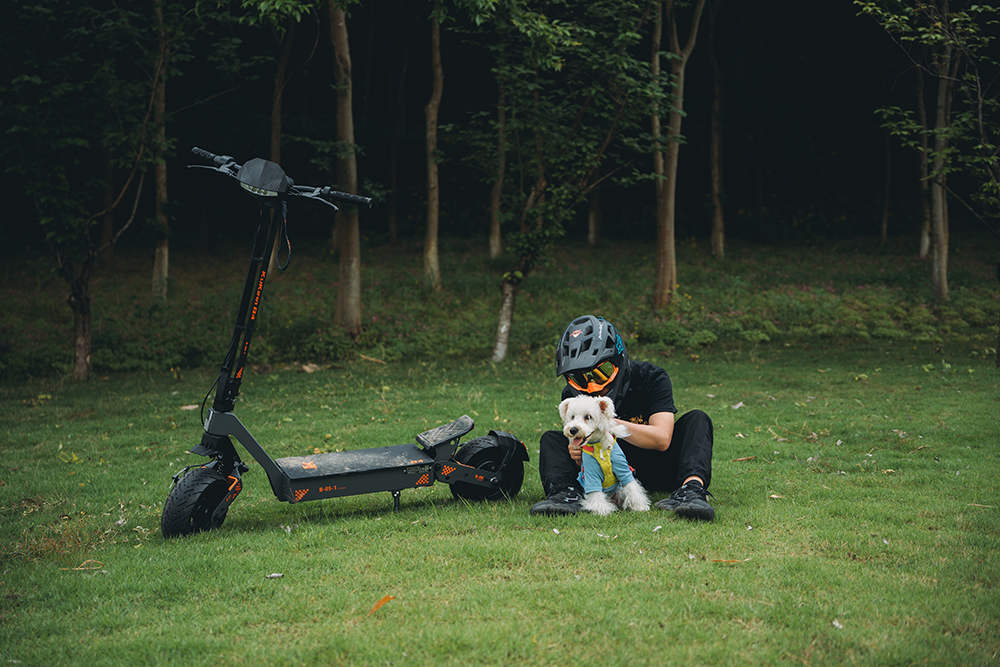

Electric scooters are highly convenient for everyday commuting, but winter conditions can present additional challenges. Low temperatures, moisture, rain, snow, and road salt can all affect the condition of an electric scooter. If the scooter is left unused for an extended period or stored improperly, its battery, metal components, and electronic parts may suffer unnecessary wear.
For this reason, winter care should involve more than simply riding safely. Taking the time to prepare and properly store your electric scooter can help prevent potential problems, maintain its performance, and extend its overall service life.
1. Choose the Right Storage Environment
The first thing to consider when storing an electric scooter during winter is where to keep it.
Ideally, the scooter should be stored indoors in a dry environment with a relatively stable temperature, rather than being exposed to cold outdoor conditions for long periods. In general, a storage area with a temperature of around 10°C to 20°C is more suitable for long-term storage.
It is also important to keep the following points in mind:
- Avoid storing the scooter outdoors or in areas such as balconies where temperatures can fluctuate significantly.
- Keep it away from rain, snow, and excessively humid environments.
- Do not leave the scooter exposed to extremely low temperatures for extended periods.
- Regularly check the storage area for signs of moisture or significant temperature changes.
- If you use a protective cover, choose one that provides adequate ventilation to prevent moisture from becoming trapped underneath.
Whenever possible, store your electric scooter indoors during winter, such as in a garage, storage room, or another dry location with a stable temperature.
2. Pay Special Attention to the Battery
Low temperatures can have a noticeable effect on battery performance. In cold conditions, the battery's available capacity and discharge performance may temporarily decrease. This makes proper battery care particularly important when storing an electric scooter for an extended period.
If you plan to leave your scooter unused for a long time, avoid storing it with the battery fully charged or completely discharged.
Instead, follow these practices:
- Keep the battery at approximately 50%–80% charge before long-term storage.
- Do not allow the battery to remain completely discharged for an extended period.
- Check the battery level every 4–6 weeks.
- If the charge level has dropped significantly, recharge the battery as needed.
- Avoid charging the battery while it is still exposed to very low temperatures.
If the scooter has just been brought indoors from a cold environment, allow the scooter and battery to return to a suitable room temperature before charging.
If you notice unusual heat, charging problems, significant performance loss, or any other abnormal battery behavior, do not attempt to disassemble the battery yourself. Instead, contact a qualified professional for inspection.

3. Clean the Scooter Before Storage
During winter, rainwater, mud, road salt, and other contaminants can accumulate on the surface and underside of an electric scooter.
For this reason, it is a good idea to thoroughly clean the scooter before storing it for an extended period.
Pay particular attention to:
- Dirt or moisture remaining on the deck and body;
- Mud and debris around the tires;
- Dirt or contamination on the brake discs and braking components;
- Moisture or visible dirt around electrical connectors;
- Signs of corrosion on metal components.
After cleaning, use a dry cloth to thoroughly remove any remaining moisture. In particular, make sure that water does not remain around electrical connections for an extended period.
4. Check the Brakes, Tires, and Fasteners
Even if you rarely use your electric scooter during winter, it is still a good idea to carry out basic inspections regularly.
Start with the braking system. Check the brake pads and brake discs for visible signs of wear and make sure the brakes feel normal when operated.
Next, check the tire pressure. Tires can gradually lose air while the scooter is stored, so always check the pressure before riding again.
You should also inspect the screws and fasteners around the handlebars, deck, wheels, and folding mechanism. If you notice anything loose, tighten it using the appropriate tools.
These simple checks can help reduce the risk of problems when you start using the scooter again.

5. Properly Maintain Moving and Metal Components
Long-term exposure to moisture can increase the risk of corrosion, particularly on metal components. After cleaning the scooter, you can apply suitable lubrication to appropriate moving parts in accordance with the manufacturer's maintenance recommendations.
However, more lubricant does not necessarily mean better protection. Never apply lubricant to brake discs, brake pads, or other components that rely on friction, as this may reduce braking performance.
Electrical connectors should be kept clean and dry. Avoid applying lubricants or other products that are not specifically designed for electrical components.
6. Don't Leave the Scooter Completely Unchecked
If you do not plan to use your electric scooter throughout the winter, it is still recommended to inspect it periodically.
For example:
- Check the battery level every 4–6 weeks.
- Check the tires for noticeable loss of pressure.
- Look for signs of moisture, corrosion, or other abnormalities.
- Inspect the lights, reflectors, and braking system.
If the scooter has been unused for a long period, carry out a complete inspection before riding again rather than taking it directly onto the road.

7. What If You Still Ride Your Electric Scooter in Winter?
Not everyone stops using their electric scooter during winter. If weather and road conditions allow you to continue riding, you should make a few adjustments to account for the seasonal conditions.
First, reduce your speed according to the road conditions. Low temperatures, rain, snow, and wet surfaces can affect tire grip and increase braking distances.
It is also recommended to wear high-visibility clothing or reflective gear, particularly during winter when daylight hours are shorter.
Maintain a greater safety distance from cars, bicycles, and other road users, and avoid standing water, icy surfaces, and areas that are visibly slippery whenever possible.
If the scooter becomes wet from rain or melting snow after a ride, dry it thoroughly before storage. Do not leave a wet scooter in storage for an extended period.
8. Why Is Proper Winter Storage Important?
Whether you own a high-performance electric scooter or a model primarily designed for everyday urban commuting, proper seasonal maintenance is important.
Correct winter storage can help reduce the effects of low temperatures and moisture on the battery, electronic components, tires, braking system, and metal parts.
More importantly, when the weather becomes warmer and you are ready to ride again, a properly maintained electric scooter is more likely to return to normal operation without unnecessary issues.
Rather than waiting for problems to appear, it is better to prepare your scooter before winter begins.

Conclusion
Winter maintenance for an electric scooter does not have to be complicated. Choosing a dry, temperature-stable storage location, maintaining an appropriate battery charge level, keeping the scooter clean, and regularly checking the tires, brakes, and fasteners can significantly reduce the risks associated with long-term winter storage.
If you continue riding during winter, adjust your speed according to weather and road conditions, and clean and dry the scooter properly after use.
With a few simple maintenance habits, you can help keep your electric scooter in good condition throughout the winter and ensure it is ready for your next ride when the warmer weather returns.
Share:
How to Maintain and Care for an Electric Scooter?
Is the KuKirin G2 Ultra Worth Buying? A Comprehensive Review and Buying Guide